 rganauta
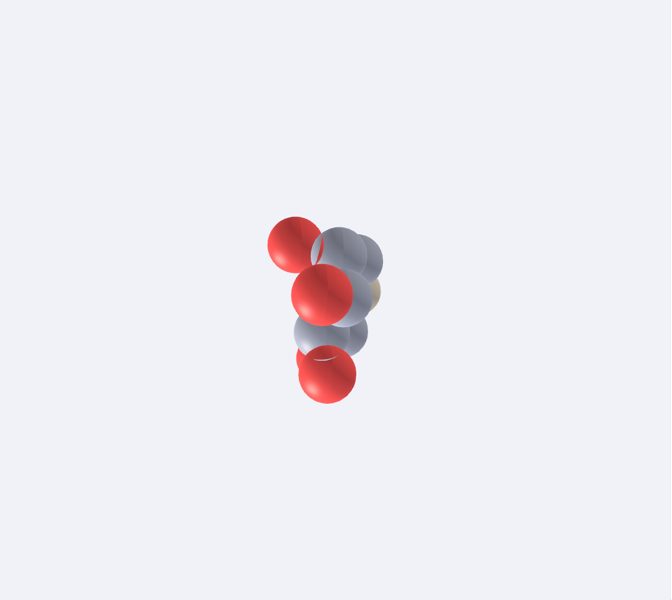
Glucose (real molecule) in 3D
Glucose (C₆H₁₂O₆) is the main fuel of the cells. It comes from the carbohydrates we eat, and the liver also makes and stores it. Insulin makes it go into…
▶ Open it in your browser with your class codeNothing to install · best on a computer
Explained for every age
For kids (7–11)
Glucose is the sugar your body uses as fuel. It comes from foods like bread, rice and fruit. Your blood carries it everywhere, and your brain needs it to think and play.
For teens (12–16)
Glucose (C₆H₁₂O₆) is the main fuel of the cells. It comes from the carbohydrates we eat, and the liver also makes and stores it. Insulin makes it go into muscles and fat; glucagon releases it from the liver when it drops. The brain uses about 120 grams of glucose a day. Keeping it within a narrow range is so important that several hormones work as a team to do it.
Pre-Med (17+)
α-D-glucopyranose: an aldohexose in ring form (pyranose) through a hemiacetal reaction between C1 and the C5 hydroxyl; in solution it equilibrates with the β form (≈ 64 % β, 36 % α) via the open-chain form. It enters cells through GLUT transporters (insulin-dependent GLUT4 in muscle and adipocytes; GLUT2 in liver and β cells) and SGLT (intestine, kidney). It is stored as glycogen; glycolysis converts it to pyruvate. The brain consumes ≈ 120 g/day.
What you can explore
Glucose ringGlucose –OH groupsCarbon 6 (CH₂OH)
Missions
- The body's fuel Explorer
- Glucose in balance Discoverer
- Diagnosing diabetes Pre-Med
- Clinical case: diabetic ketoacidosis Pre-Med